Intangible Cultural Heritage
Chinese Lacquer
8000 Years of Eastern Elegance · The Art of Living Artefacts
Chinese lacquer, known as "Da Qi" in Mandarin, is a natural resin extracted from the bark of lacquer trees. For over eight millennia, this precious material has been transformed into objects of extraordinary beauty and durability—vessels that have outlived dynasties and still radiate their original luster today.
Often called the "King of Natural Coatings," raw lacquer possesses remarkable properties: it waterproofs, resists corrosion, withstands acids, and develops a depth of shine that synthetic materials cannot replicate. Yet beyond its practical virtues lies an artistic medium that has defined East Asian aesthetics.
The creation of a single lacquerware piece may require dozens of layered applications, each cured in precise humidity-controlled rooms, then polished to reveal the luminous surface beneath. This patient artistry produces objects meant to be inherited across generations—truly sustainable luxury.
Through the Ages
Historical Journey
The Dawn of Lacquer
Archaeological discoveries at Zhejiang's Jingtoushan ruins reveal the world's earliest known lacquered wooden artifacts—8,200 years old. Early humans discovered that this milky tree sap became a durable, protective coating when exposed to humid air.
Royal Craftsmanship
During the Zhou Dynasty, lacquerware became the province of royalty. Exquisite coffins, ceremonial vessels, and musical instruments adorned with lacquer were buried with aristocrats—their vibrant reds and blacks symbolizing power and immortality.
Imperial Standard
The Qin Emperor's armies marched beneath lacquered shields and banners. Under imperial patronage, lacquerware production became systematized, with dedicated workshops supplying the courts with everything from dining sets to architectural elements.
Golden Age
The Tang Dynasty witnessed unprecedented innovation: mother-of-pearl inlay (jiaoyi), gold leaf application (tiangping), and carved lacquer (jidatao). International trade along the Silk Road spread Chinese lacquerware across Asia and the Middle East.
Mastery Perfected
The Ming and Qing dynasties elevated lacquerware to its pinnacle. Beijing's Imperial Workshops produced masterpieces now housed in museums worldwide. Techniques like "lacquer-on-lacquer" (zuoqigao) created surfaces of breathtaking complexity and depth.
"Chinese lacquer is not merely decoration—it is the very skin of civilization, protecting and beautifying human objects for eight thousand years."
The Making
Craftsmanship & Techniques

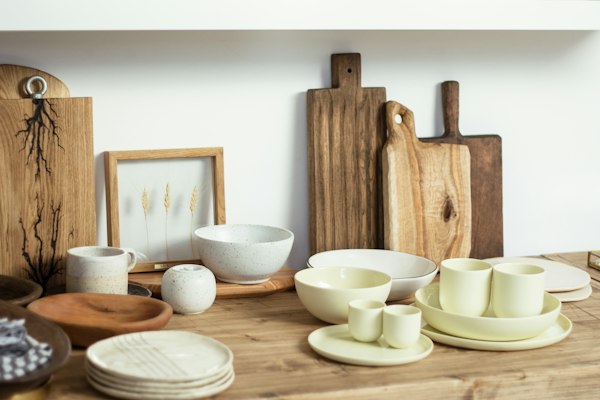
Living Heritage
Modern Applications
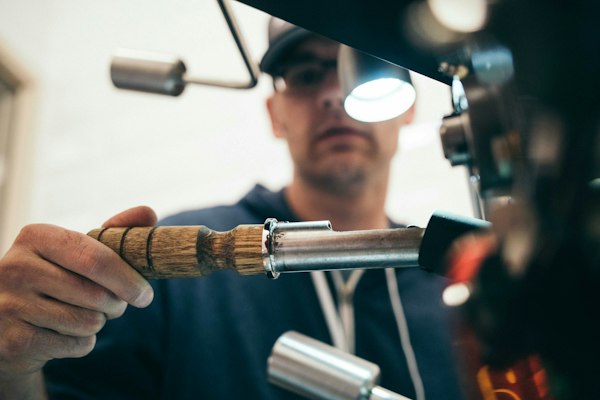
Interior Design
Contemporary designers are incorporating lacquer panels, furniture accents, and decorative objects into modern interiors. The material's versatility allows it to complement both minimalist Western aesthetics and traditional Eastern sensibilities.
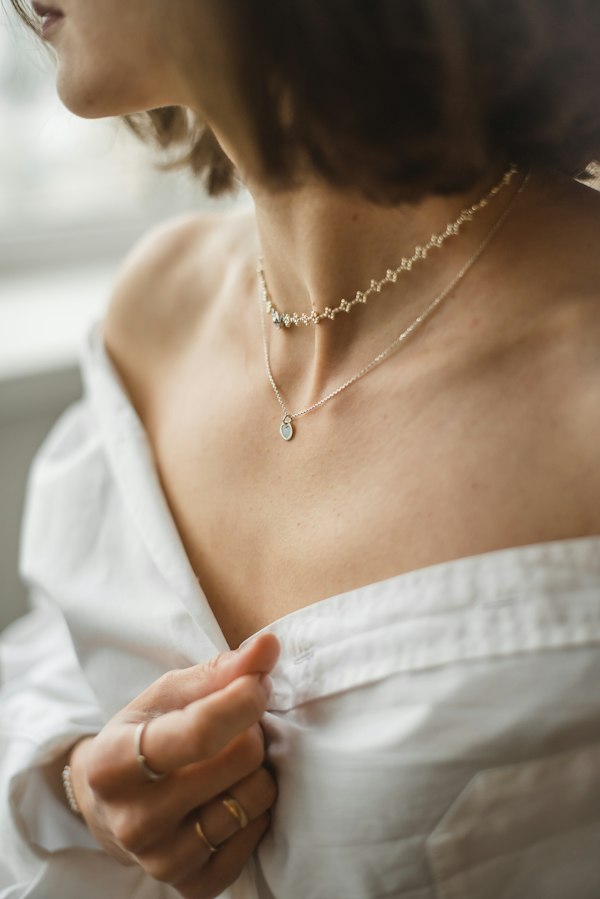
Fashion & Jewelry
FromStatement earrings to luxury watch faces, lacquer's rich colors and glossy finish make it prized in contemporary jewelry design. Fashion houses collaborate with traditional workshops to create limited-edition pieces.

Contemporary Art
Modern artists are pushing the boundaries of lacquer art, creating large-scale installations and sculptural works that honor traditional techniques while exploring contemporary themes and materials.
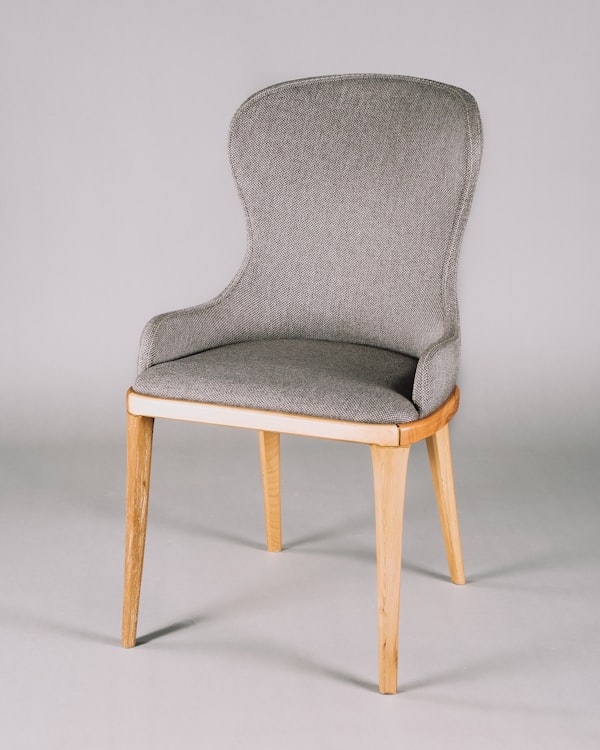
Sustainable Luxury
In an age of synthetic materials, lacquer stands as nature's answer to durable beauty. Its renewal—harvested sustainably from living trees—aligns perfectly with growing demand for eco-conscious luxury products.